Packing Mistakes That Lead to Damaged Valuables: What Really Causes the Damage and How to Stop It
When valuables arrive scratched, cracked, bent, or mysteriously missing a part, the problem is often not the move itself. It is the packing. The most common packing mistakes that lead to damaged valuables are surprisingly ordinary: too little padding, the wrong box, rushed labelling, and a bit of wishful thinking. We have all done it at some point - that awkward moment when a box looks fine on the outside, then you open it and hear the dreaded rattle. This guide breaks down what goes wrong, why it matters, and how to pack properly so your most fragile or high-value items actually make it in one piece.
Whether you are moving a home, an office, or a few treasured items, the practical advice here will help you avoid expensive damage and unnecessary stress. And to be fair, once you know the weak points, packing becomes a lot less mysterious.
Why Packing Mistakes That Lead to Damaged Valuables Matters
Valuables are not just "things in boxes". They often carry financial value, sentimental value, or both. A laptop may hold years of work. A framed print may be replaceable in theory, but not in the exact form you bought it. A watch, violin, tablet, mirror, heirloom dish, or piece of designer furniture can all be damaged by a few avoidable packing errors.
The reason this matters is simple: packing damage is often preventable. Many people assume breakage happens because a van took a corner too sharply, or because movers were careless. Sometimes that is part of the story, of course, but in a lot of cases the root cause is earlier. The item had too much room to move. The cushioning compressed. The box collapsed. A heavy object sat on top of something delicate. Small errors. Big headache.
There is also the knock-on effect. Damaged valuables can delay a move, create disputes, complicate insurance claims, and add emotional strain to an already busy day. If you are moving home, you are already juggling keys, utility cut-offs, child care, and maybe a kettle that disappeared into a box marked "misc". The last thing you need is a cracked item you really cared about.
Expert summary: Most packing damage comes from movement, pressure, poor box selection, and weak protection at the item's most fragile points. In other words, the box may look neat, but if the inside is loose or overfilled, trouble is waiting.
How Packing Mistakes That Lead to Damaged Valuables Works
Damaged valuables usually follow a familiar pattern. First, an item is packed with one or more weak points exposed. Then the box is handled, stacked, tilted, or compressed during loading and transport. If the item can shift, rub, or absorb impact, the damage starts there. It may not happen instantly. Sometimes the item survives the first lift, then breaks when another box is stacked on top. Sometimes it is only discovered at unpacking, which makes it even more frustrating.
The problem is not always dramatic. A necklace clasp bends. A ceramic handle chips. A television screen develops pressure damage because the wrong side was cushioned. A glass photo frame survives one move but not the second because the packaging was reused after it had already lost its structure. Little by little, weak packing turns into real damage.
There is also a difference between protection and immobility. Good packing does both. It protects against bumps and vibration, and it prevents the item from sliding around inside the container. If you have ever opened a box and heard items knocking together, that is a warning sign. The item should be snug, not squeezed, and certainly not free to dance around. Packing is a bit like choosing a winter coat for a fragile object: too loose and it rattles; too tight and it gets crushed.
For larger or heavier moves, transport choices matter too. If you are using man and van services, a full moving truck, or removal truck hire, the same principle applies: the vehicle can only protect what has been packed sensibly in the first place. Packing and transport work together, not separately.
Key Benefits and Practical Advantages
Getting packing right is about more than avoiding breakage, although that is obviously the main thing. There are some less obvious benefits too.
- Less stress on moving day: You are not opening boxes with dread, wondering what has happened inside.
- Faster unpacking: Good packing and labelling make it easier to settle in.
- Lower replacement costs: Some valuables can be repaired, but many cannot be replaced exactly.
- Cleaner organisation: Items packed by room or category are easier to find later.
- Better use of space: Properly packed boxes stack more safely and make loading more efficient.
- Reduced strain on helpers: People can carry and place boxes more confidently when they are balanced and secure.
One practical advantage often overlooked is decision clarity. Once you know how to pack correctly, you can decide which items are safe to move with general household goods and which deserve their own special treatment. That matters when you are choosing between a do-it-yourself move, a home move service, or a more hands-on option such as house removalists.
And if the move includes workplace assets, archive boxes, or specialist equipment, a planned approach becomes even more useful. Office items are often more fragile than they look. Screens, cable sets, branded materials, and IT kit can all suffer from loose packing or bad stacking. In those cases, office relocation services and commercial moves are worth considering because the process needs more structure than a few blanket wraps and hope.
Who This Is For and When It Makes Sense
This advice is for anyone moving items they would rather not replace. That sounds obvious, but it includes more people than you might think.
- Home movers with glass, ceramics, electronics, artwork, or jewellery
- Students taking laptops, monitors, instruments, or collectibles
- Small business owners moving stock or branded items
- Office teams relocating screens, printers, and files
- People using a man with van for a smaller move
- Anyone packing items for storage or short-term transit
It makes sense whenever the item has one or more of these traits: fragile, irregularly shaped, expensive, hard to replace, sentimental, or sensitive to moisture and pressure. A lot of people think "I'll just be careful." That helps, sure, but careful handling starts with the box, not the person carrying it.
If you are already dealing with a full house move, it can be sensible to hand over part of the packing to professionals. Services like packing and unpacking services are especially helpful when time is tight, the items are fragile, or you simply do not want to spend your weekend hunting for tape scissors and bubble wrap. Honestly, who does?
Step-by-Step Guidance
Here is a practical process you can follow to reduce damage risk and pack valuables properly.
1. Sort items by fragility and value
Group items into categories such as electronics, glass, artwork, sentimental objects, documents, and everyday household goods. This helps you decide what needs extra protection and what can be packed more simply.
2. Use the right box for the right item
Strong, clean boxes are worth it. Reused boxes are fine if they still hold shape, but if the sides are soft, crushed, damp, or torn, do not trust them with valuables. A small, sturdy box is usually better than a large box stuffed beyond its limits.
3. Cushion every vulnerable surface
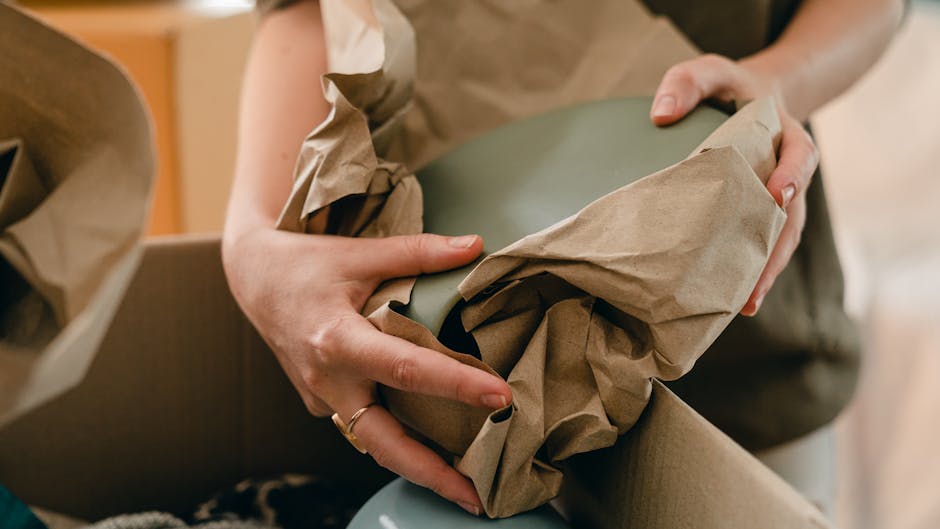
Wrap items individually using paper, foam, cloth, or bubble wrap. Pay special attention to corners, handles, screens, and edges. The corners are often where damage starts, rather like the edge of a tablet screen or the lip of a picture frame.
4. Fill empty space so items cannot move
Movement is the enemy. If an item can slide, rattle, or tip inside the box, it is not packed securely. Use crumpled paper, packing peanuts where suitable, foam inserts, or folded soft materials to stabilise the contents.
5. Keep weight manageable
Heavy boxes are more likely to drop, split, or be stacked badly. If you have books, tools, or kitchenware, spread them out across several boxes instead of making one heroic monster box that nobody wants to lift. That thing is a liability.
6. Seal and label clearly
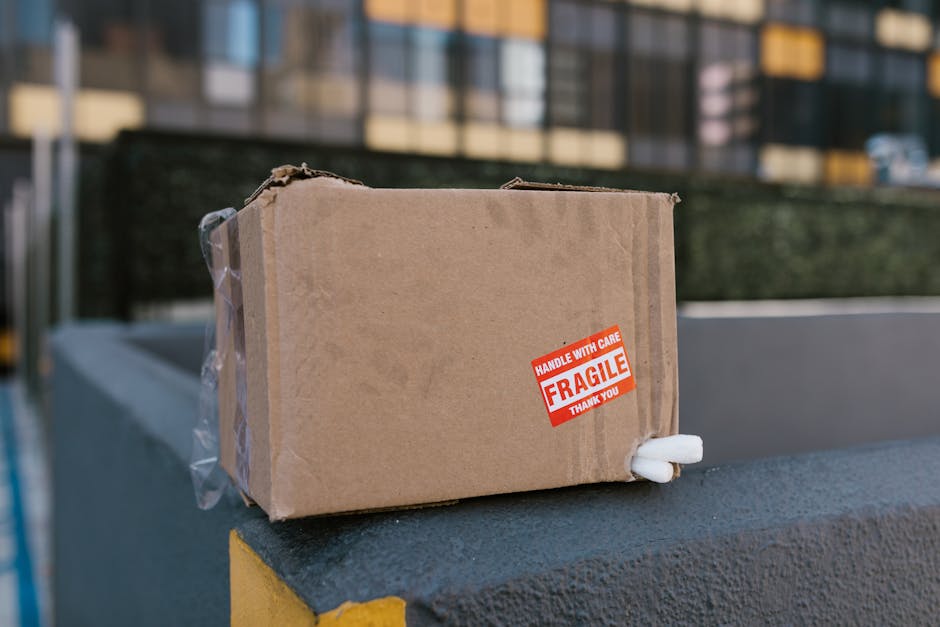
Seal the bottom and top properly. Then label the box with both the room name and a short note such as "fragile", "this side up", or "open first". Clear labels help everyone handle the box correctly, especially if different people are helping on the day.
7. Keep critical valuables separate
Some items should travel with you rather than in the main load: passports, cash, jewellery, medication, small electronics, backup drives, keys, and essential documents. Keep them in a separate secure bag or case.
8. Check the load plan
Before anything goes into the vehicle, think about sequence. Heavier, tougher items should form the base. Fragile boxes should not be crushed under furniture legs or wedged into unstable gaps. A moving vehicle is not the place for improvisation.
Expert Tips for Better Results
In practice, the difference between average packing and reliable packing usually comes down to a few disciplined habits.
Double-box very fragile items. For delicate pieces such as small sculptures, glassware, or treasured tech accessories, a box inside a box can add a crucial layer of protection. It is a bit more work, yes, but it can save a lot of grief.
Protect the item first, then the box. People often focus on outer packaging and forget the object itself. Wrap the item securely before thinking about filling the outer box. That sequence matters.
Use soft items intelligently. Towels and clothing can work as padding, but do not assume they replace proper cushioning in every case. A sweater is not ideal protection for a fragile screen. Common sense, really.
Photograph valuable items before packing. This is a practical step, not a dramatic one. A quick photo record helps you remember condition and contents later, especially for anything expensive or fragile.
Pack by destination, not just by category. If you know which room an item will go into, label it that way. Your future self, standing in a half-empty hallway at 8:40 pm, will be grateful.
Don't over-pad soft valuables. Yes, it is possible to overdo it. Too much pressure can distort leather goods, bend packaging, or crush delicate components. The goal is support, not a packed sandwich effect.
Think about humidity and temperature. Some items dislike moisture, heat, or sudden temperature swings. Papers can curl, electronics can suffer, and wooden pieces can warp if packed badly or left in a damp environment.
If you are dealing with large items that need careful carrying, a service like furniture pick up may help reduce the temptation to pack heavy, awkward objects in a rushed or unsafe way. Practical support matters, especially with bulky pieces that can knock into everything on the stairwell.
Common Mistakes to Avoid
This is where most damage happens. A lot of these mistakes are easy to make because they feel efficient in the moment.
- Using oversized boxes for fragile items: More empty space means more movement.
- Underestimating box weight: Heavy boxes crack, drop, or crush what is inside.
- Packing items together without separators: Glass-on-glass or metal-on-ceramic usually ends badly.
- Skipping corner protection: Corners are vulnerable, especially for frames and screens.
- Leaving cables loose: Loose leads can scratch devices or snap connectors.
- Reusing weak packaging: Old boxes and tired tape are a false economy.
- Mixing fragile and non-fragile items: Heavy items should not share space with delicate ones.
- Packing too close to the top of the box: Lids need a bit of clearance and cushioning.
- Ignoring labels: If you do not mark fragile boxes, nobody else can be expected to guess.
- Waiting until the last minute: Rushed packing is where avoidable damage loves to happen.
One small but common issue is the "I'll just put this on top" habit. It sounds harmless. Then a box gets stacked under it, and suddenly the fragile item is doing more work than it should. Small decision, expensive result.
Tools, Resources and Recommendations
You do not need specialist equipment for every item, but a few basic supplies make a big difference.
| Tool or Material | Best Use | Why It Helps |
|---|---|---|
| Strong cardboard boxes | General packing and fragile items | Reduces collapse and keeps items contained |
| Packing paper | Wrapping dishes, ornaments, and smaller valuables | Creates a protective layer without much bulk |
| Bubble wrap or foam wrap | Electronics, glass, artwork edges, and delicate surfaces | Absorbs impact and limits rubbing |
| Heavy-duty tape | Sealing boxes securely | Prevents opening under load |
| Marker pens and labels | Clear identification | Improves handling and unpacking |
| Blankets and furniture covers | Larger valuables and bulky items | Protects from scuffs and minor knocks |
| Small lockable case | Documents, jewellery, keys, and essentials | Keeps critical items together and secure |
For bigger moves, the right vehicle and handling setup matter too. A well-sized van or truck can reduce awkward stacking and give you more control over how fragile items are placed. If you are comparing options, moving truck hire can be worth considering for larger loads, especially when the volume of boxes makes careful arrangement harder in a smaller vehicle.
And if you are weighing cost against convenience, it is sensible to look at pricing and quotes early rather than leaving it to the final week. Moves often become more expensive - and more stressful - when packing is improvised late on.
Law, Compliance, Standards, or Best Practice
There is not one single packing law that says exactly how every valuable item must be wrapped. In real life, the relevant point is usually duty of care and reasonable handling. If a company is helping with your move, it should handle goods sensibly, use suitable equipment, and follow its own documented safety and handling practices.
That is why reputable moving providers tend to set out their approach to safe handling, insurance, and operational care. For example, it is worth checking a provider's insurance and safety information and their health and safety policy before booking. Those pages can help you understand what level of care and responsibility is being offered.
For business moves, there may also be internal standards around asset handling, records, and secure transport. That can include packing rules for IT kit, inventory checks, and sign-off procedures. Nothing glamorous, but very useful when you are trying to prove what was moved and in what condition.
Best practice usually includes:
- using fit-for-purpose packing materials
- separating fragile and heavy items
- labelling clearly
- recording high-value items before the move
- keeping access controlled for sensitive goods
- choosing a provider that explains its process clearly
If you have concerns about how a move will be handled, you can always review the provider's terms and conditions before committing. It is not thrilling reading, granted, but it is better than discovering a limitation after the fact.
Options, Methods, or Comparison Table
Different packing approaches suit different items. Here is a simple comparison to help you decide what makes sense.
| Method | Best For | Strengths | Limitations |
|---|---|---|---|
| Basic box packing | Books, clothing, non-fragile household goods | Quick and inexpensive | Poor choice for valuables or delicate items |
| Wrapped and cushioned packing | Glassware, ornaments, small electronics | Good balance of protection and cost | Needs careful filling and labelling |
| Double-box packing | Very fragile or high-value items | Excellent shock protection | Uses more material and takes longer |
| Professional packing service | Complex, costly, or time-sensitive moves | Reduces stress and improves consistency | Costs more than DIY packing |
The right choice depends on the item, your timetable, and how confident you feel. If you only have a handful of valuables, careful DIY packing may be enough. If you are moving a whole property or office, the structure of a professional service can be a very good trade-off. There is no trophy for doing everything the hard way.
For smaller loads or flexible transport needs, man with van arrangements can be useful, especially when you have fewer items but still need a careful, responsive move. For larger or more complex jobs, the extra capacity of a dedicated vehicle and packing support tends to make life easier.
Case Study or Real-World Example
Picture a typical late-summer house move in London. Nothing dramatic, just a family with boxed-up kitchenware, a few framed photos, two laptops, and a ceramic lamp they love more than they probably should. They start well enough, but by mid-afternoon the process gets rushed. A fragile box gets filled with mixed items. The lamp is wrapped, but the base is left loose. A picture frame is packed with no corner protection. It all looks tidy from the outside.
By the time the boxes are unloaded, the frame has a chipped corner and the lamp base has a hairline crack. Not catastrophic, but annoying enough to stain the day. The fix was not complicated. They later said the issue began because the fragile items were packed "near enough" rather than properly protected. That phrase is doing a lot of work there.
What would have helped? A smaller dedicated box for the lamp, more rigid cushioning around the base, separate wrapping for the frame, and clear fragile labels. They did not need rare materials. They just needed more discipline and less multitasking while packing the kitchen at 10 pm.
This kind of situation is exactly why people often turn to home moves support or structured packing help when time is tight. The issue is rarely carelessness in a dramatic sense. More often, it is a slow drift into shortcuts.
Practical Checklist
Use this checklist before sealing any box containing valuables.
- Have I chosen a box that fits the item properly?
- Is the item wrapped individually?
- Have I protected corners, edges, and screens?
- Is there enough cushioning to stop movement?
- Have I avoided mixing heavy and fragile contents?
- Is the box sealed securely at the base and top?
- Have I labelled it clearly as fragile or priority?
- Do I know where this item will go in the new property?
- Should this item travel separately with me?
- Have I photographed the item if it is especially valuable?
- Will the box still be manageable to carry safely?
Quick rule of thumb: if you can hear something shifting when you lift the box gently, it is not ready. Repack it. It is annoying in the moment, but much better than finding a broken item later.
If you are arranging a larger household clearance alongside your move, it can also be useful to plan unwanted items separately through furniture pick up or look at recycling and sustainability information so you are not packing things you actually meant to dispose of. That sounds obvious, yet people do it all the time.
Conclusion
Packing mistakes that lead to damaged valuables are usually avoidable. That is the reassuring part. Most damage comes from loose packing, poor box choices, weak cushioning, bad stacking, or simply rushing the job. Once you understand those pressure points, you can make much better decisions and protect the items that matter most.
The big idea is simple: pack for movement, not just appearance. A tidy box is nice. A secure box is better. If you remember only one thing from this guide, let it be this: valuables need room to be protected, but not room to move. That balance is everything.
If you are planning a move and want help choosing the right service, packing approach, or vehicle size, it is worth speaking to a team that handles moves day in, day out. A calm, well-planned move really does make life feel lighter.
Get a free quote today and see how much you can save.
Frequently Asked Questions
What are the most common packing mistakes that damage valuables?
The biggest mistakes are using the wrong-sized box, not cushioning items properly, leaving empty space inside the box, mixing fragile and heavy items, and failing to label boxes clearly.
How do I stop valuables moving around in a box?
Wrap the item first, then fill all gaps with suitable cushioning so the contents stay snug. If you can hear movement when the box is gently lifted, repack it.
Should I use bubble wrap for everything valuable?
Not necessarily. Bubble wrap works well for many fragile items, but some valuables need a mix of paper, foam, fabric, or rigid inserts. The right material depends on the object's shape and sensitivity.
Is it better to pack valuables in small or large boxes?
Small to medium boxes are usually safer for valuables because they are easier to stabilise and less likely to be overloaded. Large boxes often leave too much space or become too heavy.
What should I carry separately instead of putting in the moving van?
Keep passports, jewellery, cash, essential documents, keys, small electronics, and anything irreplaceable with you rather than in the main load.
Can towels and clothes replace proper packing materials?
Sometimes they can help as extra padding, but they should not be relied on for high-value fragile items. Dedicated packing materials give better consistency and protection.
What is the safest way to pack glass and ceramics?
Wrap each item individually, protect handles and corners, use dividers where needed, and fill gaps so nothing can knock together. Mark the box as fragile.
How early should I start packing valuables before a move?
Start early if the items are delicate, important, or awkward to pack. Leave last-minute packing for everyday items. Rushing is one of the main causes of damage.
Is professional packing worth it for valuables?
It can be, especially for complex moves, limited timeframes, or items that are difficult to replace. A professional packing service can reduce stress and improve consistency.
What should I check before trusting a mover with valuable items?
Look at the provider's handling process, insurance and safety information, and terms and conditions. Clear communication matters more than polished sales language.
Can poor packing affect insurance claims?
It can. If an item was packed badly, it may be harder to show that reasonable care was taken. Good documentation and sensible packing improve your position.
What is the biggest single rule for protecting valuables during a move?
Prevent movement inside the box. If the item cannot shift, strike, or rub against hard surfaces, the risk of damage drops sharply.