Specialist Techniques for Moving Pianos and Antiques Safely
Moving a piano or a treasured antique is one of those jobs that looks straightforward from a distance, then quickly turns into a nerve-racking puzzle the moment you get close. A piano is heavy, awkward, and surprisingly sensitive. An antique can be fragile in ways you do not notice until a leg wobbles, a veneer lifts, or a hairline crack suddenly becomes the main event. That is exactly why specialist techniques for moving pianos and antiques safely matter so much.
In practice, safe handling is not just about strength. It is about planning, measuring, protecting, lifting, loading, and keeping calm when the staircase is narrower than expected or the weather turns damp halfway through the move. This guide walks through the methods used to reduce risk, protect value, and avoid the sort of damage that nobody wants to explain afterwards. If you are comparing moving support for a house move, a delicate furniture pickup, or a more complex relocation, it is worth looking at services such as home moves, house removalists, and packing and unpacking services as part of the wider plan.
Truth be told, the best move is the one that never feels dramatic at all.
Table of Contents
- Why specialist techniques matter
- How the process works
- Key benefits and practical advantages
- Who this is for and when it makes sense
- Step-by-step guidance
- Expert tips for better results
- Common mistakes to avoid
- Tools, resources and recommendations
- Law, compliance, standards, and best practice
- Options, methods, or comparison table
- Case study or real-world example
- Practical checklist
- Conclusion
- Frequently asked questions
Why Specialist Techniques for Moving Pianos and Antiques Safely Matters
Pianos and antiques share a difficult trait: they can be costly, but the real loss is often emotional. A piano might be the family instrument that has been played every Christmas for twenty years. An antique cabinet might have been inherited from a grandparent and hold far more memory than market value. One slip, one corner knocked, one wrong lift angle, and the damage can be permanent.
Specialist techniques reduce three major risks. First, physical damage to the item itself. Second, damage to the property, such as scratched floors, chipped plaster, broken bannisters, or doors that catch. Third, injury to the people moving the item. Anyone who has ever tried to carry an upright piano through a narrow hallway knows the feeling: the thing seems to get heavier the moment gravity notices you. A small amount of planning can prevent a very large amount of chaos.
The other reason this matters is consistency. Not every move is a perfect, spacious, ground-floor glide. In real life, you deal with stairs, uneven paths, wet surfaces, tight corners, awkward lifts, and vehicles parked just a little too far away. Proper technique is what keeps the job under control when the conditions are less than ideal.
How Specialist Techniques for Moving Pianos and Antiques Safely Works
The process usually begins long before anything is lifted. A good mover assesses the route, the weight distribution, the fragility of surface finishes, and the points where the item is most likely to flex or snag. That assessment shapes the equipment and the number of people needed. It is not guesswork, and it should not be rushed.
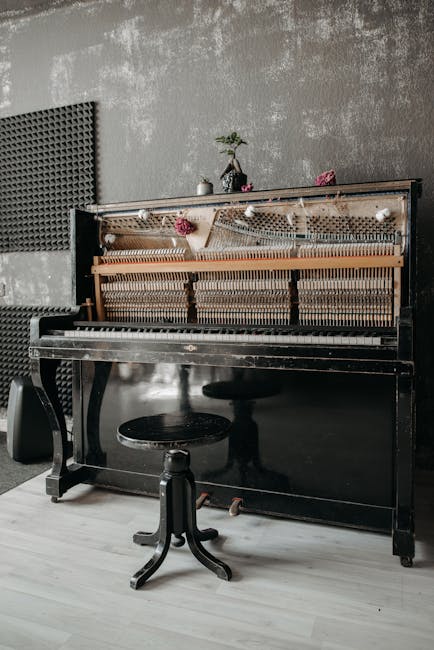
For pianos, the focus is on balance, protection, and controlled movement. Uprights are typically wrapped, secured, and moved with purpose-built aids such as piano trolleys or skids. Grand pianos need even more care because their legs, lid, and harp structure make them awkward to handle if you do not understand how the load shifts. Antiques are different again. A carved sideboard, a marble-topped table, or a glazed cabinet may need separate treatment for removable parts, surface protection, and vibration control.
Loading is another stage where skill matters. The item should be stabilised in the vehicle so it does not roll, twist, or lean during transit. A moving truck with proper tie-down points and enough space for safe positioning makes a noticeable difference. If you are arranging transport rather than handling the move yourself, options like moving truck or removal truck hire can be useful for larger or more sensitive jobs.
In our experience, the quiet part of the job is often the most important part. The careful pause before a turn, the extra blanket over a polished edge, the second check on a strap. That is where the damage gets prevented.
Key Benefits and Practical Advantages
When specialist methods are used properly, the benefits are immediate and easy to feel.
- Lower risk of damage to instruments, veneers, inlays, glass, brass fittings, and finishes.
- Better safety for movers, which matters just as much as protecting the item itself.
- Reduced stress on moving day, because the process is organised rather than improvised.
- Cleaner arrival condition, especially for antiques that need to be placed carefully rather than just dropped at the door.
- Less disruption to the property, including floor surfaces, skirting, and stair edges.
- More predictable timing, because specialist planning prevents repeated stops and false starts.
There is also a practical cost benefit, even if it is not obvious at first. Avoiding damage is often cheaper than repairing or replacing a damaged item. That is especially true for antiques, where restoration can be delicate, expensive, and sometimes only partially successful. A scratched piano case or a cracked veneer can take the shine off the whole move.
If you are also moving smaller furniture or mixed household items, it can help to combine services rather than handling different parts separately. A well-planned move can support the antiques, the piano, and the rest of the home in one coordinated process, which is usually far less messy than doing it piecemeal.
Who This Is For and When It Makes Sense
This topic is not only for grand houses or concert halls. It is relevant to anyone who owns a piano, inherited antiques, or collectible furniture that has value beyond ordinary household use.
You may need specialist techniques if you are:
- moving an upright, baby grand, or grand piano;
- relocating a vintage cabinet, mirror, clock, or display piece;
- handling items with glass, marble, gilt detailing, or fine veneer;
- moving through stairs, narrow halls, basements, or period properties;
- transporting items that cannot be easily replaced;
- combining a delicate item move with a wider house or office relocation.
This is also a sensible choice if the item has sentimental value and you simply do not want to take a gamble. Not every move needs a specialist, to be fair, but once the object becomes awkward, valuable, or irreplaceable, the case for expert handling gets much stronger.
Some businesses also need this service. For example, an office relocating a piano from a reception area, or a hotel moving decorative antiques between rooms, will usually benefit from professional planning rather than an improvised lift-and-hope approach. Commercial settings often have tighter time windows too, which makes precision even more useful.
Step-by-Step Guidance
The safest moves follow a clear sequence. Here is the version that tends to work best.
1. Inspect the item thoroughly
Look for loose legs, hairline cracks, missing screws, old repairs, or areas where the finish is already vulnerable. On a piano, note pedals, lids, casters, and any uneven feet. On an antique, check drawers, glass panels, decorative edges, and fixings. A quick inspection now can save a painful discovery later.
2. Measure the route, not just the item
Measure door widths, stair turns, ceiling clearances, hall corners, and the vehicle access outside. The item may fit in theory, but theory is not always helpful on a rainy Wednesday with a tight front path. Measure twice. Honestly, measure again if it is a grand piano or a tall armoire.
3. Prepare the object for movement
Remove detachable parts where appropriate. Secure lids, drawers, and doors. Wrap delicate surfaces in appropriate padding, then add outer protection to stop rubbing and scuffing. For pianos, specialised blankets and protective wraps are usually preferred over thin moving sheets that shift around.
4. Protect the property
Lay floor protection where needed, especially on polished wood, stone, or delicate carpet edges. Use corner protection in tighter routes. A move should leave the room looking like a room, not like a film set after the dramatic scene.
5. Use the right lifting method
This is where specialist handling really earns its keep. The item should be lifted from strong points, with weight shared evenly between trained movers. Keep the load close to the body, move in small controlled steps, and avoid twisting while carrying. Twisting under load is a classic mistake, and a painful one.
6. Load and secure in the vehicle
Position the item so it will not slide or bounce during transit. Secure it properly with straps and padding. Keep it away from unstable stacking or loose objects. If the vehicle is shared with other items, the heavy piece should be isolated and stabilised first.
7. Unload and place carefully
Unloading deserves the same patience as loading. It is tempting to rush at the end, because everyone wants the job done. But the final placement is where many accidents happen. Take time to align the item, remove wrapping carefully, and check for transit movement before leaving it in place.
Expert Tips for Better Results
A few practical habits make a real difference.
- Use humidity awareness for pianos and antiques. Sudden dampness or heat can affect wooden components and finishes.
- Label fragile parts before disassembly so reassembly is quicker and less stressful.
- Photograph the item first from several angles. This is useful for condition records and for putting parts back correctly.
- Keep padding clean. Dust and grit trapped in blankets can mark polished surfaces.
- Plan for extra hands. Heavy or unusual items are rarely one-person jobs, no matter how determined someone looks in the hallway.
- Leave more time than you think. A careful move always takes longer than a rushed one, and that is a good thing.
A small detail that often gets missed: antique finishes can be more sensitive to tape, friction, and repeated handling than people expect. A harmless-looking patch of adhesive can lift old varnish. That is not theoretical. It happens.
Expert summary: The safest piano and antique moves are built on route planning, proper protection, controlled lifting, and a refusal to rush the last 10 percent of the job.
Common Mistakes to Avoid
Most avoidable damage comes from a handful of familiar mistakes.
- Underestimating the weight or awkwardness of the item. A piano looks solid because it is solid, but that does not make it easy to carry.
- Skipping route checks. People often measure the piano and forget the cornering space.
- Using poor-quality wrapping. Thin blankets and loose covers shift, bunch, and rub.
- Dragging instead of lifting. Even a short drag can scratch a floor or strain joints.
- Rushing stair turns. This is where things go wrong very quickly.
- Ignoring balance. If the load tilts, the team compensates, and everyone pays for it.
- Overpacking the vehicle. Tight loading might feel efficient, but it can create pressure points and movement damage.
The most common mistake of all? Assuming that because the item made it into the house years ago, it will come out just as easily. That is not how it usually works.
Tools, Resources and Recommendations
The right equipment is not about looking professional. It is about making the move safer and more controllable.
| Tool or aid | Best for | Why it helps |
|---|---|---|
| Piano trolley or skid board | Upright pianos and heavier instruments | Improves load control and reduces manual strain |
| Moving blankets and padded wraps | Pianos, antique cabinets, tables, and mirrors | Protects finishes from knocks and friction |
| Straps and tie-downs | Vehicle securing | Prevents movement in transit |
| Floor runners and corner guards | Homes with delicate surfaces | Reduces property damage on narrow routes |
| Gloves with grip | General handling | Improves control without crushing delicate surfaces |
| Measured route plan | All specialist moves | Helps avoid surprises at doors, stairs, and landings |
For people arranging a broader relocation, it may also be worth looking at man and van or man with van support for smaller jobs, while larger, more demanding moves may suit a dedicated vehicle arrangement such as moving truck or removal truck hire. For mixed homes with bulky furniture and a few awkward items, a broader service approach can be less stressful than trying to piece everything together yourself.
It can also help to review practical service details before the day itself. Pages such as pricing and quotes, insurance and safety, and health and safety policy can give you a clearer sense of how a provider thinks about risk and planning.
Law, Compliance, Standards, and Best Practice
When moving valuable or heavy items, the key point is not usually a single special law. It is more about responsible practice, duty of care, and sensible risk management. In the UK, professional movers are expected to think carefully about safe lifting, vehicle security, and property protection. If a move involves staff, customers, tenants, or visitors, the standard of care becomes even more important.
From a practical standpoint, best practice usually includes:
- carrying out a route and risk assessment before moving;
- using enough trained people for the weight and shape of the item;
- protecting surfaces and access points;
- securing loads in transit;
- handling antiques with particular care where finishes or joints are vulnerable;
- maintaining clear communication during every lift.
If you are using a removal business, it is sensible to ask how they handle insurance, item protection, and customer responsibilities before the move day arrives. You do not need a lecture. You just need clarity. That alone can save a lot of headaches later.
There is also a sustainability angle in moving. Reusing protection materials sensibly, avoiding unnecessary replacement damage, and planning efficient routes all support a less wasteful process. For people who care about that side of the move, recycling and sustainability is worth reviewing as part of the wider decision-making.
Options, Methods, or Comparison Table
Not every piano or antique needs the same approach. The right method depends on weight, value, fragility, access, and distance. Here is a simple comparison.
| Method | Best suited to | Strengths | Limitations |
|---|---|---|---|
| DIY move with helpers | Very small, sturdy items or low-risk short moves | Lower upfront cost | Higher risk of injury and damage; limited protection |
| General removal assistance | Mixed household moves with some bulky items | More organised than DIY, good for routine lifting | May not include specialised handling for antiques or pianos |
| Specialist moving approach | Pianos, fine antiques, difficult access, irreplaceable items | Best protection, better route planning, controlled loading | Usually costs more than basic moving help |
The main trade-off is simple: lower cost versus lower risk. For a sturdy dining chair, you can probably keep things modest. For a lacquered cabinet with glass and hand-carved details, or a piano that you care about deeply, specialist handling tends to be the safer call.
Case Study or Real-World Example
Here is a typical real-world scenario. A family is moving from a London terrace property with a narrow front room, a tight staircase, and a small pavement area outside. They have an upright piano and an antique sideboard inherited from a relative. On paper, both items are "just furniture". In the room, they are obviously more than that.
The move begins with a route check. The front door opens cleanly, but the turn at the bottom of the stairs is awkward, so the team decides to use additional padding and a slower pivot point. The sideboard gets its drawers secured, shelves removed, and the decorative handles wrapped separately. The piano is protected with blankets and secured to a trolley before movement begins. Floor runners go down early, which saves a beautiful old wood floor from scuffs near the entrance.
Nothing dramatic happens. That is the whole point.
The piano is moved in measured stages, with one person calling the turns and another checking clearances. The sideboard is loaded once the vehicle is ready, not before. Both items arrive intact, and the family spends the afternoon unpacking instead of searching for a restorer. You can almost hear the sigh of relief in the hallway.
This kind of result usually comes from process rather than luck. The equipment matters, yes, but the calm decision-making matters just as much.
Practical Checklist
Use this checklist before moving day if you want a safer, smoother result.
- Measure the item and the full route, including stairs and corners.
- Identify loose parts, vulnerable finishes, and existing damage.
- Decide whether the item needs specialist handling.
- Gather suitable blankets, wraps, straps, and floor protection.
- Clear pathways and remove trip hazards.
- Check vehicle access and parking arrangements in advance.
- Assign enough people for the lift, with one person coordinating.
- Protect the item before it leaves its position.
- Secure the item properly in transit.
- Inspect the item again after unloading.
- Keep a record of any pre-existing marks or repairs.
- Take your time. Seriously, take your time.
If you only remember one thing from this article, let it be this: plan the route as carefully as the lift. That is where many problems are prevented.
Conclusion
Specialist techniques for moving pianos and antiques safely are really about respect: respect for the item, respect for the property, and respect for the people doing the work. Heavy, fragile, valuable, sentimental - those words often show up together for a reason. The safer approach is usually the one that looks slower on paper but feels smoother in real life.
When the planning is solid, the wrapping is thoughtful, and the loading is controlled, the move becomes manageable instead of stressful. That is the difference between hoping for the best and actually protecting what matters. And in a move like this, protecting what matters is the whole game.
Get a free quote today and see how much you can save.
If you are still weighing up the best route for your home or business move, a quick look at about us and contact us can help you decide whether specialist support is the right next step. Sometimes a short conversation saves a very long headache.
Frequently Asked Questions
How do you move a piano without damaging it?
You start with a route check, proper wrapping, the right lifting equipment, and enough trained people to control the weight. A piano should never be dragged or turned roughly. The safest moves are slow, balanced, and well secured in the vehicle.
What is the safest way to move antique furniture?
The safest way is to inspect the item first, remove or secure loose parts, protect delicate finishes with suitable padding, and move it with controlled handling. Antique furniture often has weak joints or sensitive surfaces, so protection matters more than speed.
Do grand pianos need different handling from upright pianos?
Yes. Grand pianos are more complex because of their shape, lid, legs, and weight distribution. They often need partial disassembly and very careful manoeuvring. Uprights are still heavy, but they are usually simpler to stabilise and transport.
Can I move a piano myself with help from friends?
For a small, short, low-risk move, some people do attempt it. But it is risky. Pianos are heavy and awkward, and injuries or damage can happen quickly. If the route includes stairs, corners, or tight access, professional help is usually the wiser choice.
How should antiques be packed for transport?
Use clean protective wrapping, secure any loose components, and avoid anything that can rub, stain, or pull at the finish. Glass, carved details, mirrors, and veneers need extra care. The goal is to prevent movement inside the wrapping as well as outside it.
What equipment is normally used for piano moving?
Common equipment includes piano skids, trolleys, moving blankets, straps, protective floor covering, and padded wraps. The exact setup depends on the piano type and the access route. The item should always be secured properly before loading.
How do movers protect floors and walls during a delicate move?
They usually use floor runners, corner guards, blankets, and careful positioning through tight spaces. Good protection is laid before the item starts moving, not after something has already been scratched. That part matters more than people think.
Is insurance important for moving pianos and antiques?
Yes, it is sensible to understand the level of cover offered and what is excluded. Pianos and antiques can be difficult or expensive to repair, so insurance and safety arrangements should be clear before the move starts.
How long does a specialist piano or antique move usually take?
It depends on access, distance, item size, and preparation. A simple ground-floor move may be fairly quick, while a staircase, narrow hallway, or multi-item job can take much longer. It is better to allow extra time than to rush the job.
What are the biggest risks during a piano or antique move?
The biggest risks are drops, tipping, scraping, joint failure, and poor loading in transit. For people, the main risks are back strain and finger or foot injuries. Most of these can be reduced with planning and proper equipment.
When is it worth using a specialist mover instead of a general removal service?
It is usually worth using a specialist approach when the item is valuable, fragile, unusually heavy, awkward to access, or deeply sentimental. If you would be upset by even a small mark, specialist handling is probably the sensible call.
What should I ask a mover before booking?
Ask how they handle wrapping, lifting, route planning, insurance, and difficult access. It also helps to ask whether they have experience with pianos or antiques specifically. Clear answers upfront are a good sign.
Can antiques and pianos be moved in the same vehicle as other household items?
Yes, but only if they are properly isolated, padded, and secured so nothing can shift onto them. Heavy items should never be packed in a way that lets smaller boxes or loose items press against them. Careful loading is the key.